
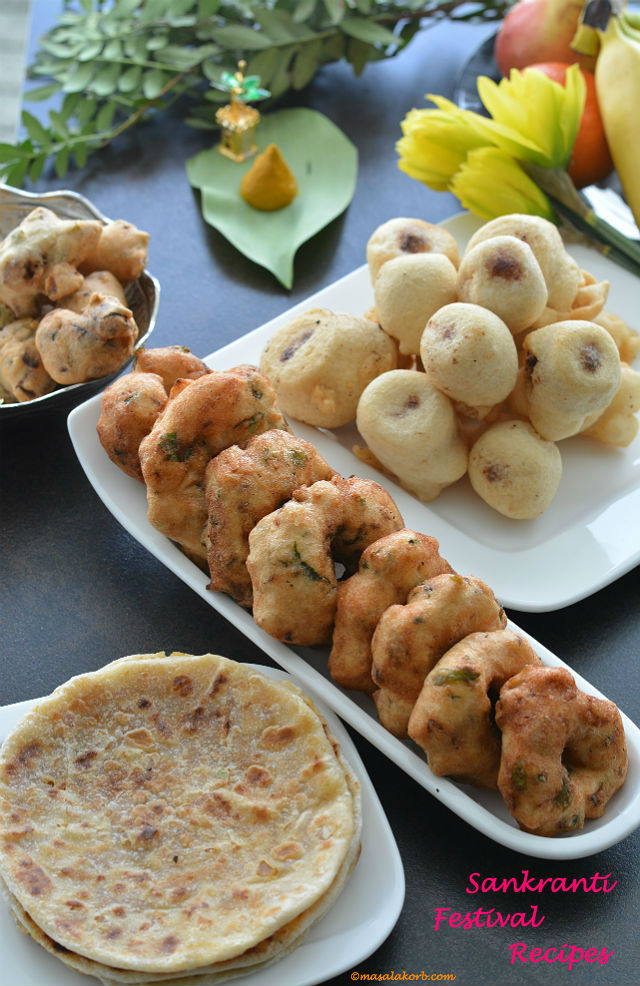
 A very HAPPY SANKRANTI to all my dear friends and readers. I would like to share a little about how the festival is celebrated in my hometown. SANKRANTI is an important festival for Telugus and people in the villages look forward to this harvest festival, which has diverse attractions for different people. With crops harvested people have both wealth and leisure to make merry with. This is the festival of peasants. A month before the festival, the harvesting of crops begins. I have also compiled a few Sankranti Festival Recipes from my blog along with a link to the recipe.
Here is a video compilation of some recipes!
As the winter sun pierces through the fog, the melodious rendition of a ‘Haridasu’ from Sundarakanda or Bhagavatam on Sankranthi makes an auspicious beginning for people. Dressed in an attire unique to the art form, with an ‘akshaya patra’ on the head, a ‘tambura’, and ‘chidatalu’, the Haridasu is not only a symbol of our culture and tradition, but also the one who ushers in the festive spirit associated with Sankranti. He looks like Naradamuni as in Purans in that attire.
Haridasu goes from house to house and asks for bhiksha. Haridasu says “Krishnarpanam” when he receives offerings from people. Usually Haridasus take up diksha, which lasts one month from Dhanurmaasam to Bhogi. This tradition is called Bhakti Sampradayam.
Have a glimpse of a typical haridasu –
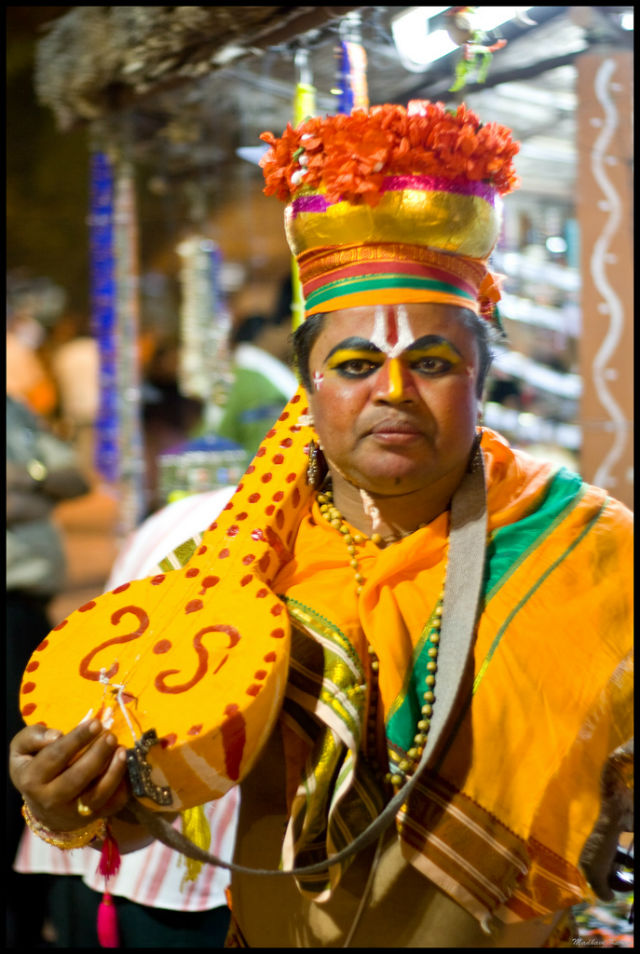
Image Courtesy: flickr.com
During the festival, the majestic ‘Gangireddu’ – the bull, draped in various hues of cloth, visit every doorstep with its master glorifying the significance of the festival with his folk tunes. Gangireddulaata,’ a charming art form with Simhachalam in North Andhra Pradesh as its origin, has come to stay as the main tradition to enthrall people ahead of the Sankranti. The rich traditional art form is a vigorous combination of bovine and human coordination skill. This is one of the prime attractions for children in both rural and urban areas.
All these elements are part of Sankranti festival, which are on the wane in the cities. They are still alive, especially in rural areas.
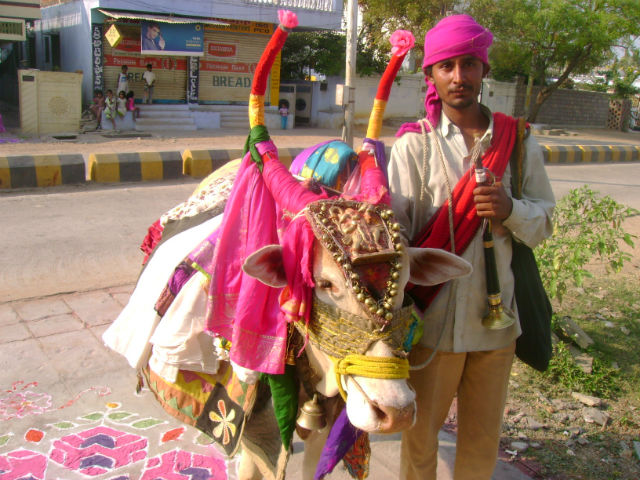
Image Courtesy: Wikimedia.org
The practice of hosting Bommala Koluvu for Sankranti is also slowly diminishing, with the exception of a few families. It’s basically showcasing of dolls, mostly replicas of gods and goddesses for three days commencing with Bhogi. Bommala means toys’ and Koluvu means durbar. Like the king’s durbar, a variety of dolls are arranged beautifully in a selected place of the house and displayed to all the guests who come to see it. While the dolls are put up for show during Sankranti here, elsewhere, the custom is adhered to during Navaratri.

Image Courtesy: TheHindu.com
SANKRANTI is a four day festival in Andhra Pradesh
Day 1- Bhogi Panduga (Bhogi)
Day 2 – Pedda Panduga, SANKRANTI (Surya)
Day 3 – Kanuma Panduga (Kanuma)
Day 4 – Mukkanuma
The four-day Sankranti, the harvest festival is celebrated with fervour and gaiety with the first day being celebrated as Bhogi, which falls on 14th January in 2016. Bogi Mantalu, the Bonfire ritual observed on the eve of Bhogi festival. On this day before sunrise youngsters collect dry twigs, grass, waste paper etc., make a heap & light a bonfire. The significance of the bonfire, in which is burnt the agricultural wastes and firewood is to keep warm during the last lap of winter. Girls dance around the bonfire, singing songs in praise of the gods, the spring and the harvest.
Women and girls draw patterns (rangoli) on the ground using mortar powder. They make Gobbemmas, that is lumps of cowdung and place it on the drawings in front of their houses. The day is popularly meant for cleaning – all things that are bad and of no use are burned on the day. Earlier only agricultural waste used to burned on the day.
On the Bhogi day people, decorate their homes and buy new vessels and other utensils and food items needed for Makar Sankranti celebrations.
But sadly nowadays Bhogi is noted for pollution caused by the burning of tires and plastic waste.
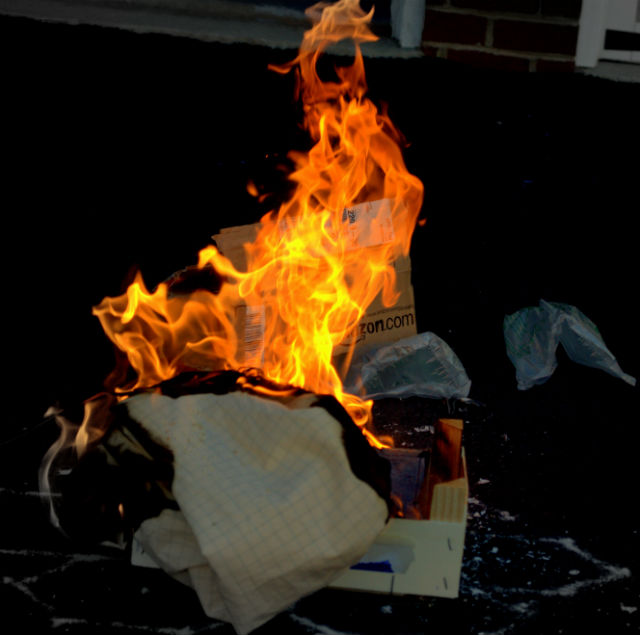
Image Courtesy: 365Sweetmemories
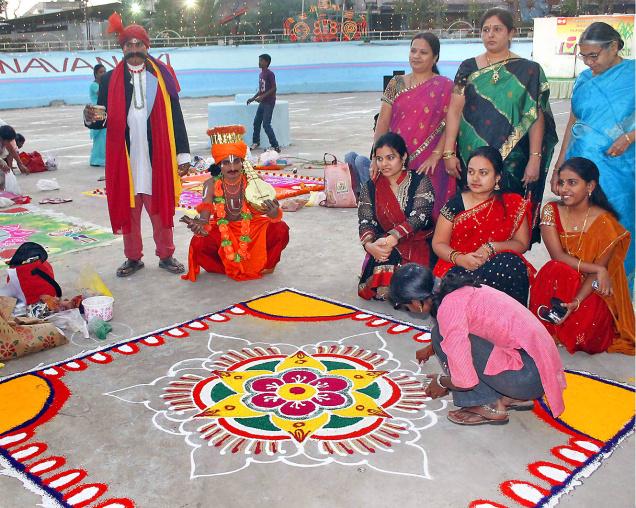
Image Courtesy: TheHindu.com
The second day is celebrated as main festival and called as Makara Sankranti. The festival marks the beginning of Dakshinayana or the lunar half of the zodiac calendar. The significance is that the Sun enters the Makara rasi or Capricorn sign to herald the Makara Sankranti.
Though there are several Sankranti Festival Recipes, the special dish of the day is chakkara Pongali, a mixture of husked green gram and rice are cooked with jaggery and flavoured with cardamom. In some parts, the spicy version of the same is cooked with salt and pepper known as Ven Pongal. We usually make only the sweet version. Dressed in their best, people visit temples to offer their prayers.
Kanumu the third day is celebrated as a cattle festival. On this day the peasants wake up early to bathe their cattle & paint their horns with bright colours and tie bells around their necks. Some farmers go out to their fields, sacrifice a goat or a sheep and sprinkle the blood in their fields. Still some others take cooked rice and milk to the cattleshed, offer some of it to the cattle and take the remainder to their fields and scatter it there. They believe that this offering keeps the ghosts away from their crops.
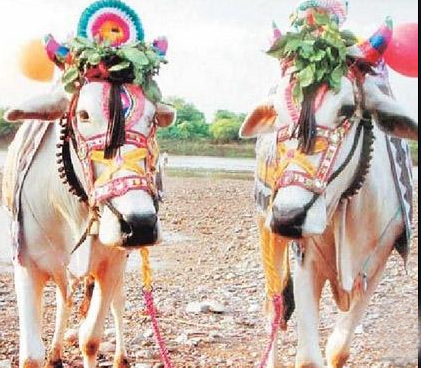
Image Courtesy: Teluguone.com
Sankranti Festival Recipes or Rich food is prepared on all the three days and newly-weds usually celebrate the festival at the bride’s residence.
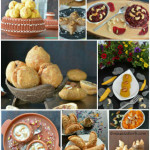
Have a look at the Sankranti Festival Recipes I made at home!!
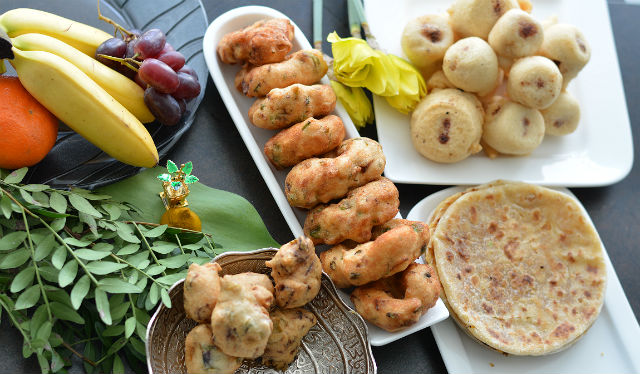
The fourth day, Mukkanuma is famous among the non-vegetarians of the society. People do not eat any non-vegetarian during the first three days of the festival and eat it only on the day of Mukkanuma.
Sankranti usually represents all the four days together. It is celebrated in almost every village with adventurous games in South India. Whether it is the cock fights in Andhra, Bull fighting in Tamil Nadu or Elephant Mela in Kerala, there is huge amount of illegal betting but the so-called tradition continues to play a major role in the festival. Though illegal, I think the cock fights still continue in some rural areas.
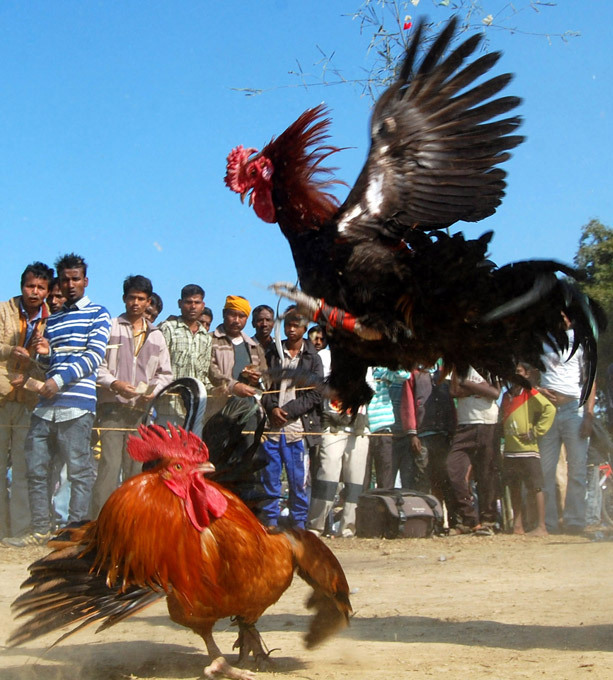
Image Courtesy: Pavda-team
This is just a gist of what I remember when I had visited my village during my school days….there could be a lot of changes, some traditions could have vanished. But this is what remains in my memory as SANKRANTI CELEBRATIONS. Likewise every state in India celebrates it their own way but the main motto being the same. It is a festival which bonds hearts, families, friends and communities. It is a festival of change and season, seasons drifting from cold to a warmer side and also depicting the want of positive, optimistic and healthy change in our lives, approaches and attitudes. Hope you enjoyed!!
Some Information Source: Wikipedia, Ganeshaspeaks, Sankranti.net, TemplesIndia.org
Enjoy these Sankranti Festival Recipes!!
List of Sankranti Festival Recipes:
-
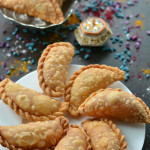

- Kajjikayalu
-
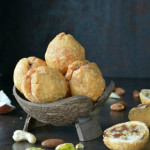
- Mawa Kachori
-
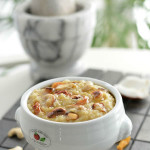
- Chakkara Pongal
-
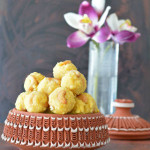
- Boondi Laddoo
-
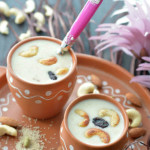
- Gasa Gasa Payasam
-
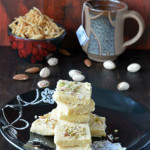
- Kalakand
-
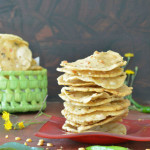
- Chakkalu
-
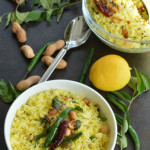
- Nimmakaya Pulihora
-
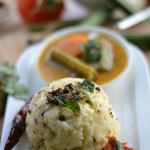
- Ven Pongal
-
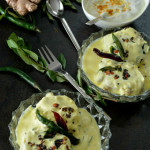
- Perugu Vada
-
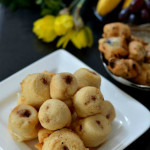
- Poornalu
-
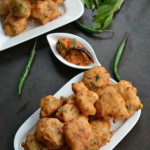
- Punugulu
-
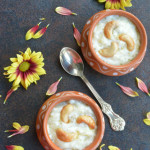
- Saggubiyyam Payasam
-
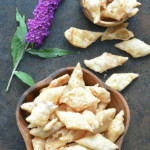
- Sweet Shankarpali
-
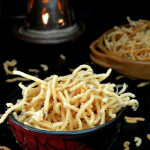
- Pottukadalai Murukku
-
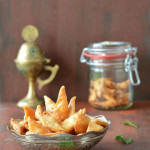
- Spicy Shankarpali
-
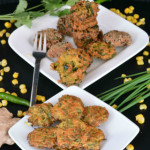
- Sweet Corn Vada
-
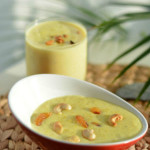
- Rice Kheer
-
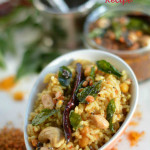
- Puliyodharai
-
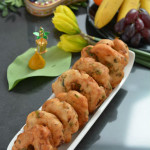
- Onion Medu Vada
-
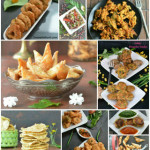
- Diwali Savoury Snacks
-
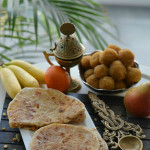
- Bobbatlu / Puran Poli
-
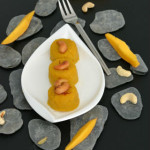
- Mango Kesari
-
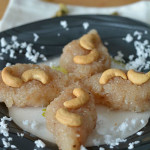
- Coconut Burfi
-
- Diwali Sweets
HAPPY SANKRANTHI TO MY DEAR FRIENDS AND READERS!!
Leave a Reply